
Close Menu
    What's Hot

    Retailers Warn Europe’s Fishing Industry to Stop Overfishing

    October 6, 2026

    100 conservation projects are looking for funding after USAID’s closure

    October 6, 2026

    Pacific leaders rail at climate finance failures after pre-COP trip to Tuvalu

    October 6, 2026
    Facebook X (Twitter) Instagram
    Facebook X (Twitter) Instagram
    Noticias – Contaminación – EcologíaNoticias – Contaminación – Ecología
    Suscribite
    Trending
    • Retailers Warn Europe’s Fishing Industry to Stop Overfishing
    • 100 conservation projects are looking for funding after USAID’s closure
    • Pacific leaders rail at climate finance failures after pre-COP trip to Tuvalu
    • Slash: la serpiente recién descubierta nombrada en homenaje al guitarrista de Guns N’ Roses
    • Solar power helps Amazon communities ditch diesel and prepare for El Niño drought
    • In Australia’s Wet Tropics, restoration misses the forest for the tree cover
    • Science, Indigenous knowledge team up to restore Canada’s kelp. (Sea otters help, too.)
    • The Indonesians facing El Nino’s fires have lessons to teach us (commentary)
    Noticias – Contaminación – EcologíaNoticias – Contaminación – Ecología
    Home»Uncategorized»Weatherwatch: Cleaner clouds may slow rate of global heating
    Uncategorized

    Weatherwatch: Cleaner clouds may slow rate of global heating

    hernanBy hernanJuly 2, 2026No Comments1 Min Read
    Facebook Twitter Pinterest LinkedIn Tumblr Email
    Share
    Facebook Twitter LinkedIn Pinterest Email

    Study shows falling dust levels are making clouds more reflective, an effect not taken into account in climate models

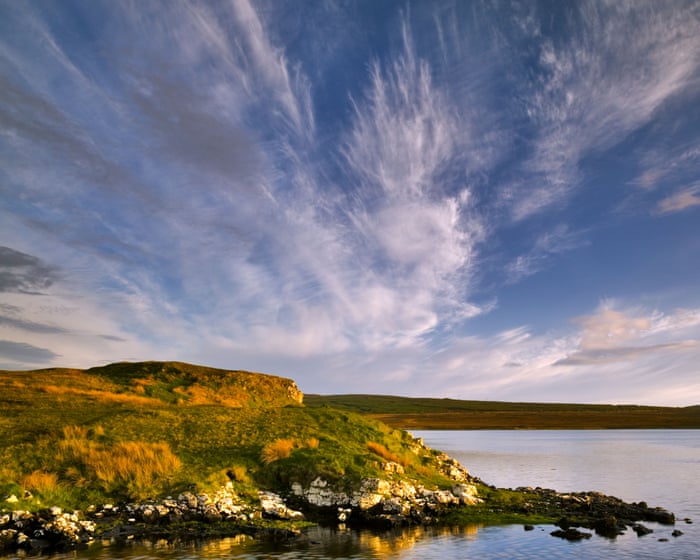
    Cleaner clouds are helping to slow the rate of global heating, a study shows. Falling levels of dust in the atmosphere are making clouds more reflective. This previously unidentified effect is not being taken into account by current climate models, which may mean they are slightly overestimating the projected rate of global heating.

    Researchers analysed satellite observations of high clouds in the northern hemisphere and assessed the ratio of ice crystals to liquid droplets over the period 2008 to 2018. Their findings, published in Geophysical Research Letters, show that clouds have become less icy over that time. Weakening surface winds (due to climate change) have resulted in less dust being whipped up into the atmosphere over the last two decades. Dust particles help to seed ice crystals, so less dust means fewer ice crystals in clouds. The effect is not observed in southern hemisphere clouds because there is far less dust in the southern hemisphere atmosphere in the first place.

    Continue reading…

    Share. Facebook Twitter Pinterest LinkedIn Tumblr Email

    Related Posts

    Retailers Warn Europe’s Fishing Industry to Stop Overfishing

    October 6, 2026

    Water Bills Surged More Than Other Costs in US Homes Over 10 Years, a ‘Striking’ New Report Shows

    October 6, 2026

    Development Becomes a Flashpoint in a Key New York House Race

    October 6, 2026

    Final ‘Grandmother’ Cottonwood Toppled, Protesters Arrested in Arizona

    October 5, 2026
    Add A Comment
    Leave A Reply Cancel Reply

    Selección del Editor

    Mineral frente a Piriápolis: decisiones primero, transparencia después

    September 22, 2026

    Prospección petrolera. Il gioco delle Borse

    August 31, 2026

    Vitamina SEA – Feliz Cumple!

    August 13, 2026

    EL PESCADOR DEBE CALLAR

    August 10, 2026

    ¿POR QUÉ NADIE HABLA DE REPARAR LAS GOTERAS?

    August 4, 2026
    Recientes

    Retailers Warn Europe’s Fishing Industry to Stop Overfishing

    October 6, 2026

    100 conservation projects are looking for funding after USAID’s closure

    October 6, 2026

    Pacific leaders rail at climate finance failures after pre-COP trip to Tuvalu

    October 6, 2026
    1 2 3 … 1,467 Next
    Suscribite y Recibí Noticias

      Subscribite a Actualizaciones

      Recibí novedades de ECO Lara Campiglia.

      Mi compromiso con la vida
      LARA CAMPIGLIA
      editorial@eco.laracampiglia.art

      QUIÉNES SOMOS MANIFIESTO
      EDITORIAL
      COMUNICATE CON NOSOTROS

      Type above and press Enter to search. Press Esc to cancel.